2026-10-07 · Mark Crawford
Crawl Space vs Slab Foundations in Tulsa: Pros, Cons, and Problems to Watch
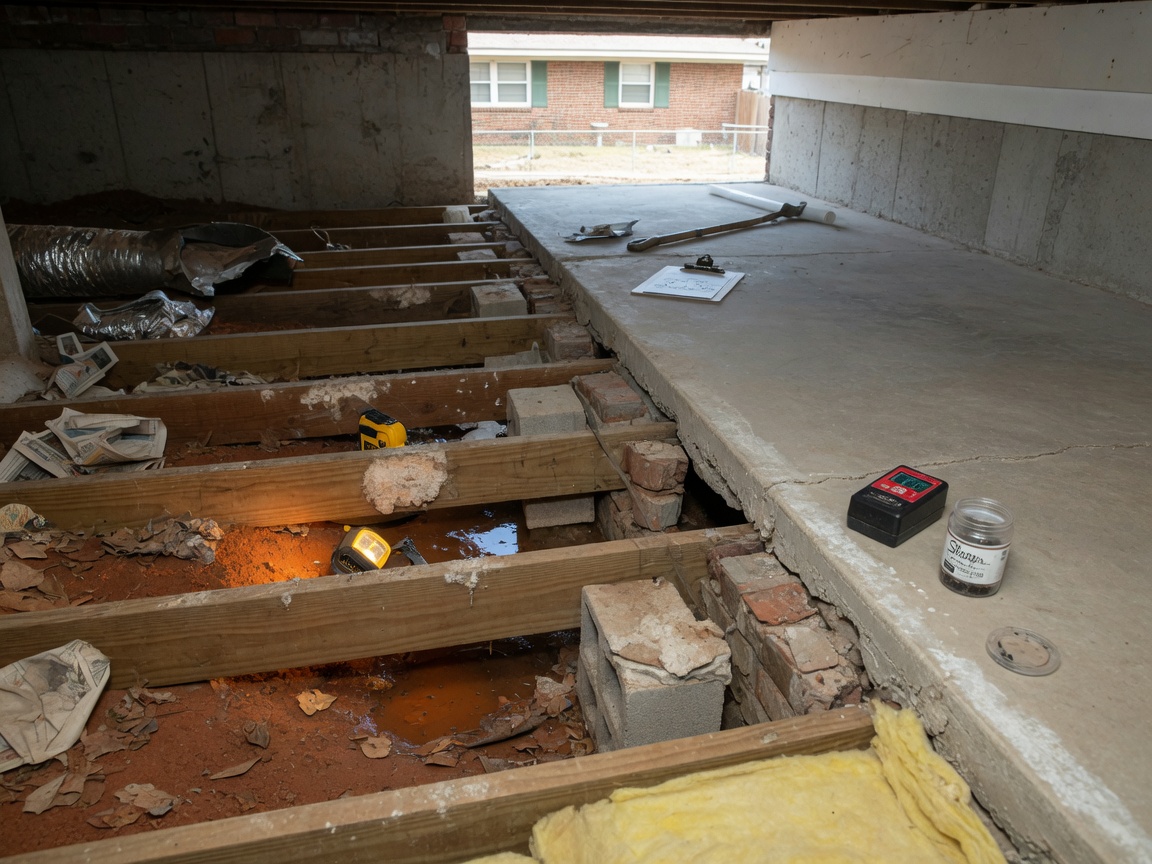
Tulsa homes with crawl spaces typically need more attention to moisture control than slab foundations due to the area's clay-heavy soils and storm patterns, while slabs can crack from freeze-thaw cycles in winter. Older neighborhoods such as Maple Ridge and Greenwood feature many 1940s-1960s homes on crawl spaces that sit 18-36 inches off the ground, exposing them to humidity from warm summers and runoff during severe thunderstorms common in Tulsa County.
Foundation Types in Tulsa County Neighborhoods
Tulsa County housing stock varies sharply by era and location. Pre-1970 homes in Cherry Street, Brookside, and Utica Square almost always sit on crawl spaces because builders used pier-and-beam construction on the rolling terrain near the Arkansas River. These spaces average 24 inches of clearance and sit above expansive clay soils that swell after heavy rains. Post-1980 developments in Jenks, Bixby, and Owasso shifted to monolithic slabs on grade for cost and speed, especially on flatter lots farther from downtown. The change reduced initial construction expense but transferred water-management duties to the slab edge and perimeter drains. Severe thunderstorms drop 2-4 inches of rain in hours during spring and fall, testing both systems differently depending on whether the home is in the Pearl District or farther out in Broken Arrow.
Pros and Cons of Crawl Space Foundations
Crawl spaces allow easy access for plumbing and electrical repairs, a practical advantage in 60-year-old homes along Route 66 Historical Village or near Cain's Ballroom. They also keep living areas farther from ground moisture, which helps during Tulsa's humid summers when relative humidity often exceeds 70 percent. However, the same open space invites air movement that carries moisture under floors, leading to wood rot and sagging joists when vapor barriers are missing. Cold winters pull heat downward through uninsulated floors, raising energy use. In neighborhoods like Woodward Park and Philbrook Museum of Art surroundings, many crawl spaces sit at or below street grade, so stormwater from thunderstorms flows directly toward vents. Proper encapsulation and insulation become necessary upgrades once owners notice musty odors or uneven floors.
Pros and Cons of Slab Foundations
Slab foundations eliminate the under-floor space entirely, removing the main path for moisture and pests in newer Bixby and Owasso subdivisions. They provide a stable base that resists the shifting clay soils found across Tulsa County when the slab includes proper rebar and perimeter drainage. Drawbacks appear during cold winters when the ground freezes and thaws, creating hairline cracks that allow water to enter the home. Slab homes also make future plumbing repairs more expensive because lines run beneath the concrete. In areas such as the Gathering Place vicinity or Greenwood, where lots slope toward the home, poor grading can push water against the slab edge and into the living space rather than away from it.
Common Problems to Watch from Local Weather and Soil
Tulsa's warm humid summers combined with frequent severe thunderstorms create steady moisture pressure on crawl spaces, while cold winters allow condensation inside unvented spaces. Clay soils expand and contract with each wet-dry cycle, stressing both foundation types but especially older pier-and-beam setups in Maple Ridge. Homeowners in Jenks and Broken Arrow often see standing water under crawl spaces after spring storms because downspouts empty too close to the foundation. Slab homes in newer sections of Owasso can develop edge cracks when gutters overflow during 3-inch rainfall events. Checking for musty smells, soft floorboards, or visible cracks after each thunderstorm season helps catch issues before they require floor joist sistering or full waterproofing work.
When Repairs or Upgrades Make Sense
When crawl space humidity stays above 60 percent year-round or slab edges show recurring water stains, targeted improvements restore performance. Adding a sealed vapor barrier and dehumidifier in crawl spaces stops the cycle of moisture from Tulsa summers. For slabs, regrading soil 6 inches below the edge and extending downspouts 5-10 feet prevents water from pooling against the concrete. These steps address the specific conditions created by the county's thunderstorm frequency and clay soils without requiring full foundation replacement. Owners in areas like the Pearl District or near the Tulsa Zoo benefit from inspecting twice yearly, once after winter freezes and again after the first major spring storms.